Ethereum Protocol Advocacy Alliance: A Unified Voice for Fair Crypto Policy
A Shift Toward Policy Inclusion
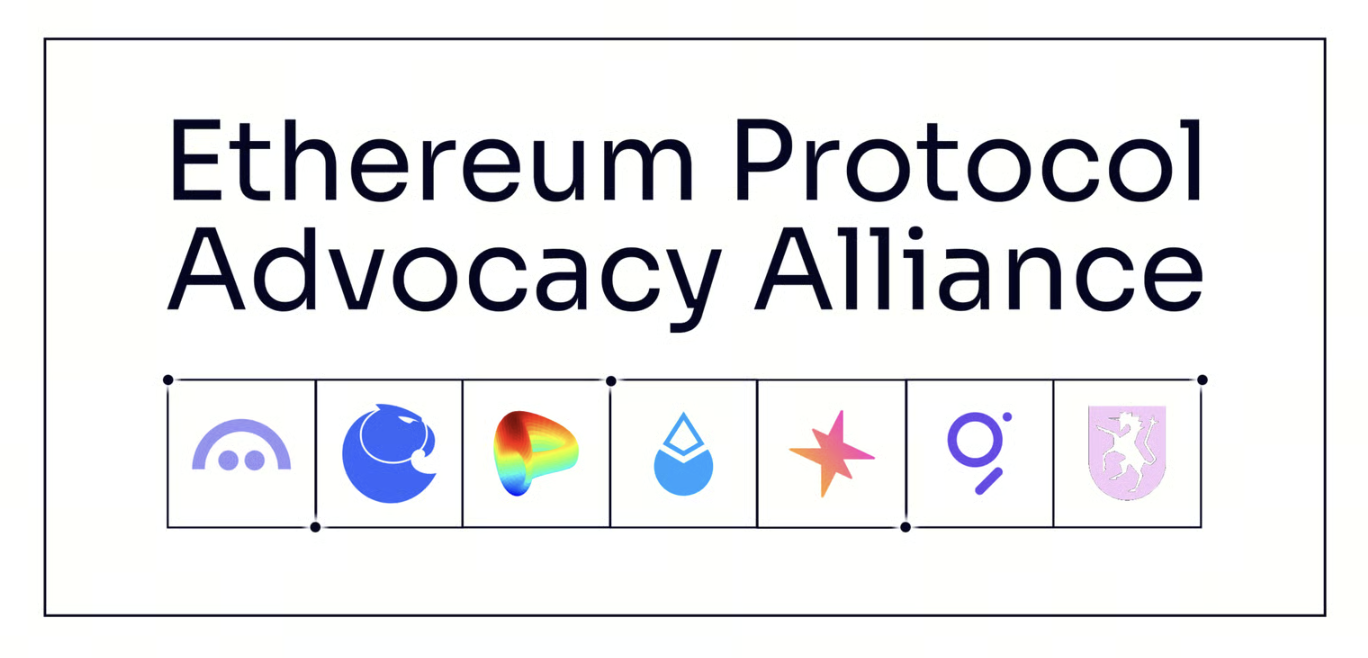
(Image source: Ethereum Protocol Advocacy Alliance)
For years, Ethereum developers have built an open, decentralized infrastructure meant to empower global users. However, policy influence has largely remained in the hands of centralized institutions, often leaving blockchain’s potential underrepresented in regulatory arenas.
Now, this imbalance is changing. The Ethereum Protocol Advocacy Alliance (EPAA) has been established to represent decentralized protocols in policy dialogues, ensuring that innovation and fairness coexist in the evolving crypto landscape.
The Founding Members
The alliance brings together seven of Ethereum’s most influential projects:
- Aave Labs
- Aragon
- Curve
- Lido Labs Foundation
- Spark Foundation
- The Graph Foundation
- Uniswap Foundation
Together, these entities secure over $100 billion in on-chain assets and collectively define much of Ethereum’s infrastructure. Their collaboration signifies a shared mission: protecting the integrity and independence of decentralized systems through unified policy engagement.
EPAA’s Three Pillars of Advocacy
1.Policy Engagement and Representation
EPAA serves as a bridge between open-source communities and regulatory authorities, presenting expert technical insights to foster informed decision-making and policy clarity.
2.Innovation Through Collaboration
The alliance coordinates among protocol teams to build cooperative frameworks, strengthen governance, and eliminate barriers caused by regulatory uncertainty.
3.Education and Public Awareness
EPAA promotes blockchain literacy through outreach programs and advocacy initiatives that highlight the real-world benefits of decentralization and transparency.
Why EPAA Matters
As crypto matures, regulation has become a defining force shaping its growth. Historically, many regulators have applied traditional finance logic to decentralized systems — a mismatch that risks stifling innovation.
EPAA’s creation marks a turning point. By providing technical expertise directly from developers, the alliance aims to reshape global understanding of decentralized technologies and advocate for frameworks that support sustainable Web3 innovation.
Building a Transparent and Cooperative Future
EPAA represents a new phase of Ethereum’s evolution — one that focuses on governance, transparency, and shared accountability. Through collaborative policy development, the alliance will explore:
- Decentralized and compliant DAO governance models
- On-chain reporting and audit standards
- Cross-border communication channels for open protocols
This initiative transforms Ethereum’s ecosystem into a proactive policy participant, ensuring decentralization has a clear and respected voice in the global regulatory narrative.
Looking Ahead: Toward a New Web3 Policy Era
The formation of EPAA is more than just an organizational milestone — it’s a declaration that decentralization deserves a seat at the policymaking table. As more protocols and foundations join, EPAA could become the connective tissue between blockchain innovators, enterprises, and governments, ushering in a new standard for Web3 policy cooperation.
Decentralization is no longer only a technical framework — it’s a vision for equitable governance. Through EPAA, that vision is finally gaining the global recognition it deserves.
Disclaimer:
This is not investment advice. This information is provided for informational purposes only and should not be construed as a recommendation to buy, sell, or hold any asset. Cryptocurrency trading involves a risk of loss. Gate US services may be restricted in certain jurisdictions. For more information, please see our legal disclosures: https://us.gate.com/legal/disclosures
Share
Content


Related Articles

Bitcoin Halving Chart: Key Dates, Trends, and Future Predictions

Bitcoin Halving Chart:Understanding the Changes in Bitcoin Supply and Price Trends

US December Rate Cut Forecast: Will the Federal Reserve Finally Pivot?

Federal Reserve Ends Quantitative Tightening — How the End of QT Could Reshape Global Markets in 2025

Midnight Network Ignites Cardano’s Next Chapter with NIGHT Token Mining and Privacy Innovation