Offline Defense: How Cold Wallets Became the Last Line of Crypto Security
What Is a Cold Wallet?
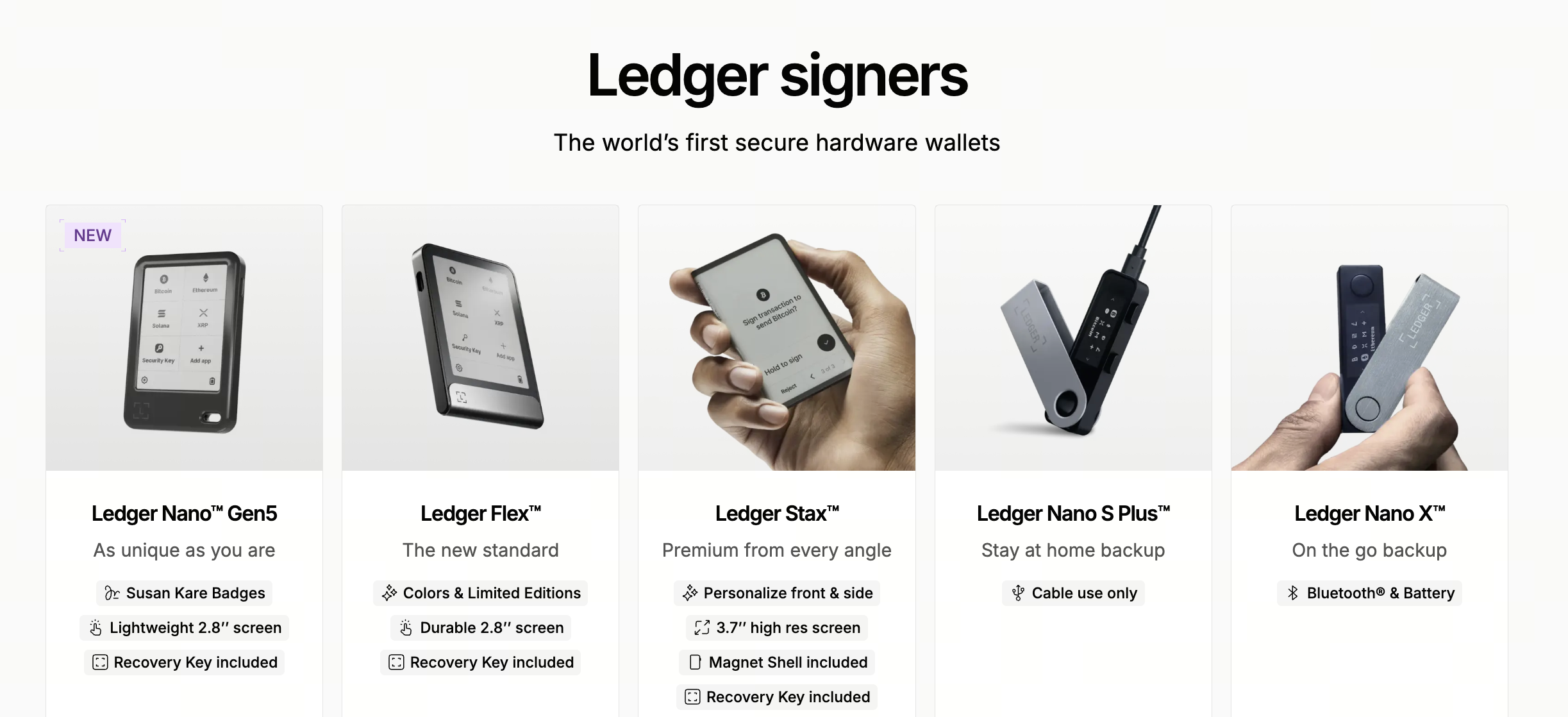
A cold wallet is a cryptocurrency storage method where private keys are kept offline, completely disconnected from the internet. This isolation makes it nearly immune to remote hacking attempts. Cold wallets are also known as offline wallets or cold storage.
Examples include storing keys on hardware devices that never connect to the internet or keeping paper wallets in secure physical locations. By keeping the private key offline, users significantly reduce exposure to malware, phishing attacks, and exchange hacks.
Cold Wallet vs Hot Wallet
A hot wallet is connected to the internet and allows for quick and convenient transactions. Examples include mobile wallets, web wallets, and exchange-based wallets.
In contrast, cold wallets prioritize security over convenience. While hot wallets are suitable for daily trading, cold wallets are ideal for long-term storage of large holdings. Many users combine both: small amounts in a hot wallet for frequent use, and the bulk of assets in a cold wallet for safekeeping.
Types of Cold Wallets
Cold wallets come in several forms:
Hardware Wallets: Dedicated devices like USB drives that generate and store private keys securely. Examples include Ledger and Trezor.
Paper Wallets: Private and public keys printed or written on paper, kept physically secure.
Deep Cold Storage: Highly secure storage for institutions or high-net-worth users, such as devices in vaults or bank safety deposit boxes.
Each type balances security, accessibility, and convenience differently. For most individual users, hardware wallets provide the best mix of safety and usability.
Why Use a Cold Wallet? Pros and Cons
Pros:
Enhanced Security: Offline storage greatly reduces risk of hacking.
Ideal for Long-Term Holding: Perfect for “buy-and-hold” strategies.
Peace of Mind: Protects assets from online attacks and exchange failures.
Cons:
Less Convenient: Requires extra steps for transactions.
Risk of Loss: Losing the device or forgetting the seed phrase can result in permanent loss of assets.
Physical Vulnerabilities: Theft, fire, or damage can affect recovery if not properly backed up.
How to Safely Set Up and Use a Cold Wallet
Purchase a reputable hardware wallet or prepare your offline medium.
Generate private keys offline in a secure environment.
Back up your seed phrase physically; never store it digitally online.
Store the device offline in a secure location, like a safe or vault.
Use only small amounts for daily transactions, transferring from cold wallet to hot wallet when necessary.
Regularly check and maintain your storage device to ensure continued safety.
Common Misconceptions and Risks
Cold wallets are not 100% risk-free. User errors, physical damage, or improper backups can lead to permanent loss.
Frequent access reduces security. Avoid unnecessary transactions from cold storage.
Backup is essential. Always keep seed phrases or keys in multiple secure locations.
Who Should Use a Cold Wallet?
Long-term crypto holders: Those holding significant amounts of cryptocurrency.
Institutions: Exchanges, funds, or companies managing client assets.
Security-conscious individuals: Users prioritizing maximum protection against hacking.
For occasional traders or users making daily payments, hot wallets or a hybrid strategy may be more practical.
Conclusion
Cold wallets serve as the last line of defense for cryptocurrency security. While they sacrifice convenience for safety, they are essential for anyone serious about protecting digital assets from online threats. Understanding how cold wallets work, choosing the right type, and following proper setup and backup procedures will help ensure your crypto holdings remain secure for the long term.
Disclaimer:
This is not investment advice. This information is provided for informational purposes only and should not be construed as a recommendation to buy, sell, or hold any asset. Cryptocurrency trading involves a risk of loss. Gate US services may be restricted in certain jurisdictions. For more information, please see our legal disclosures: https://us.gate.com/legal/disclosures
Share
Content


Related Articles

Bitcoin Halving Chart: Key Dates, Trends, and Future Predictions

Bitcoin Halving Chart:Understanding the Changes in Bitcoin Supply and Price Trends

US December Rate Cut Forecast: Will the Federal Reserve Finally Pivot?

Federal Reserve Ends Quantitative Tightening — How the End of QT Could Reshape Global Markets in 2025

Midnight Network Ignites Cardano’s Next Chapter with NIGHT Token Mining and Privacy Innovation